
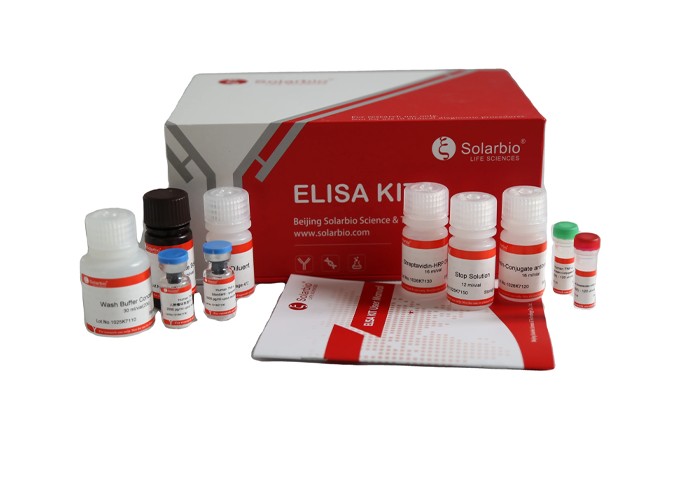
For people living with celiac disease, even a small trace of gluten can cause real harm. It’s not just a matter of diet preference — it’s about safety and trust. Food producers have the responsibility to make sure their products meet the strict “gluten-free” standard. That’s where gluten testing becomes essential. The Gluten/Gliadin ELISA Kit helps manufacturers verify that gluten levels stay below safe limits, ensuring the products they sell don’t trigger an autoimmune response. Behind every celiac-safe label lies a process built on science, precision, and consistency.
The Hidden Risks of Gluten Contamination
Gluten hides easily. It doesn’t take much to contaminate a product. A shared mixer, a few particles in the air, or even contact during transport can make a supposedly gluten-free item unsafe. For someone with celiac disease, consuming even 20 parts per million of gluten can lead to severe digestive and immune reactions.
Cross-contamination happens more often than many realize. Oats, for example, are naturally gluten-free but often processed in facilities that handle wheat. Without regular testing, there’s no real way to know if contamination has occurred. The effects on consumers can be lasting — not just discomfort but intestinal damage and nutrient malabsorption. That’s why food safety protocols must rely on more than just careful handling. They need measurable testing to prove safety.
How ELISA Testing Detects Gluten Accurately
ELISA technology has become a gold standard for detecting gluten proteins. It uses an antibody-based reaction that identifies specific fragments of gluten, such as gliadin, with remarkable precision. Each test measures the concentration of gluten in a sample, delivering quantitative data that manufacturers can trust.
The strength of ELISA lies in its sensitivity. Even trace amounts of gluten can be detected, allowing food producers to maintain compliance with the FDA’s gluten-free labeling rule. The process converts a molecular interaction into a visible signal, giving clear results that can be quantified.
Using an ELISA kit is not just about compliance — it’s about accountability. Every batch tested gives consumers the confidence that what they’re eating won’t harm them. For companies, that trust translates into stronger brand reputation and loyalty.
Why Accuracy Matters for Celiac-Safe Foods
Celiac disease is not an allergy — it’s an autoimmune condition. When gluten enters the body, the immune system attacks the small intestine, damaging the lining and preventing nutrient absorption. The only treatment is a strict gluten-free diet, which means every ingredient, additive, and surface in production must be monitored.
A small margin of error can mean the difference between safety and harm. A product that tests even slightly above 20 ppm cannot be labeled gluten-free. Without precise testing, manufacturers risk recalls, lost consumer trust, and, most importantly, putting health at risk.
Accurate ELISA testing acts as a safeguard. It gives food producers and researchers measurable assurance that gluten levels stay within safe thresholds. That’s not just about meeting regulations — it’s about keeping promises to consumers who rely on that gluten-free label for their well-being.
Building Consumer Confidence Through Testing
For consumers with celiac disease or gluten sensitivity, food choices are often driven by trust. They depend on clear labeling and reliable production practices. But that trust isn’t built through marketing — it’s earned through consistent testing.
A manufacturer that uses gluten detection kits demonstrates transparency and responsibility. They can trace results back to each production lot and verify that the process remains gluten-free from start to finish. Over time, such reliability turns into consumer confidence — the kind that can’t be faked.
Food safety today isn’t just about preventing contamination; it’s also about showing proof of prevention. ELISA testing helps companies back up their claims with evidence that customers can rely on.
The Role of Gluten Testing Across Production Stages
Gluten testing shouldn’t just happen at the end of production. It needs to occur at multiple checkpoints — from raw materials to final packaging. Early detection saves time, cost, and potential product loss.
Testing raw ingredients ensures that contamination hasn’t already entered the process. Monitoring at mid-production checks that equipment and surfaces remain clean. Final product testing confirms that the end result meets gluten-free certification standards.
Regular testing at every stage turns food production into a controlled, traceable system. It transforms quality assurance into a proactive routine rather than a last-minute inspection. That kind of consistency protects both consumers and manufacturers.
How Technology Shapes Safer Gluten-Free Manufacturing
Technology has transformed food safety testing. Modern ELISA kits deliver rapid, reliable, and easy-to-interpret results. With sensitive detection ranges, they allow companies to meet and exceed gluten-free labeling requirements.
Automation and data recording further strengthen the process. Labs can track test results digitally, reducing human error and ensuring complete traceability. As production scales up, these systems make it easier to maintain high standards without sacrificing speed.
For smaller producers, easy-to-use ELISA kits mean they can maintain the same level of safety as large corporations. That levels the playing field and ensures that consumers get safe products, no matter who makes them.
The Cost of Skipping Gluten Testing
Some manufacturers assume that sourcing certified gluten-free ingredients is enough. But contamination can occur anywhere along the supply chain. Without verification, every step becomes a point of risk.
Failing to test properly can lead to costly recalls, damaged brand credibility, and potential health consequences for consumers. Food safety regulators take gluten-free labeling seriously, and even minor violations can bring heavy penalties.
On the other hand, companies that test regularly build a safety net. They catch issues early, correct them fast, and show their customers that health always comes first. The investment in ELISA testing pays off in trust and long-term sustainability.
Expanding the Use of ELISA in Other Assays
While gluten testing is a vital focus for food producers, ELISA technology extends far beyond it. It’s used across fields such as medical diagnostics, veterinary science, and hormone detection. For example, assays that measure PMSG levels in veterinary applications rely on similar ELISA-based principles.
The same accuracy and sensitivity that make ELISA ideal for gluten detection also make it valuable for other biological studies. Its broad adaptability shows how a single technology can serve multiple scientific and industrial purposes with precision and reliability.
Why Every Gluten-Free Brand Needs a Testing Strategy
Having a strong gluten testing program isn’t just about compliance — it’s a competitive advantage. Brands that can confidently claim and prove gluten-free status gain access to a loyal market of health-conscious consumers.
Regular ELISA testing keeps production consistent and gives teams real-time data to improve processes. It also serves as an insurance policy, protecting the company from unexpected contamination issues that might otherwise go unnoticed.
Ultimately, a testing strategy turns safety into a core brand value. It sends a clear message to consumers: your health is protected here.
Conclusion: Building Safer Gluten-Free Products with Reliable Tools
For anyone producing gluten-free foods, testing isn’t optional — it’s essential. The Gluten/Gliadin ELISA Kit makes it possible to detect even minute traces of gluten, protecting consumers and supporting industry transparency. It helps bridge the gap between product claims and real safety assurance.
At Novatein Biosciences, we provide trusted solutions for accurate gluten testing and other research needs. We offer these kits online along with a wide range of antibodies, proteins, and assay reagents for food safety and biomedical research. Our goal is simple — to make reliable science accessible to every laboratory and manufacturer. Through consistent quality and dependable performance, we help food producers maintain celiac-safe standards with confidence. When safety and trust matter most, we make sure you have the tools to prove it.